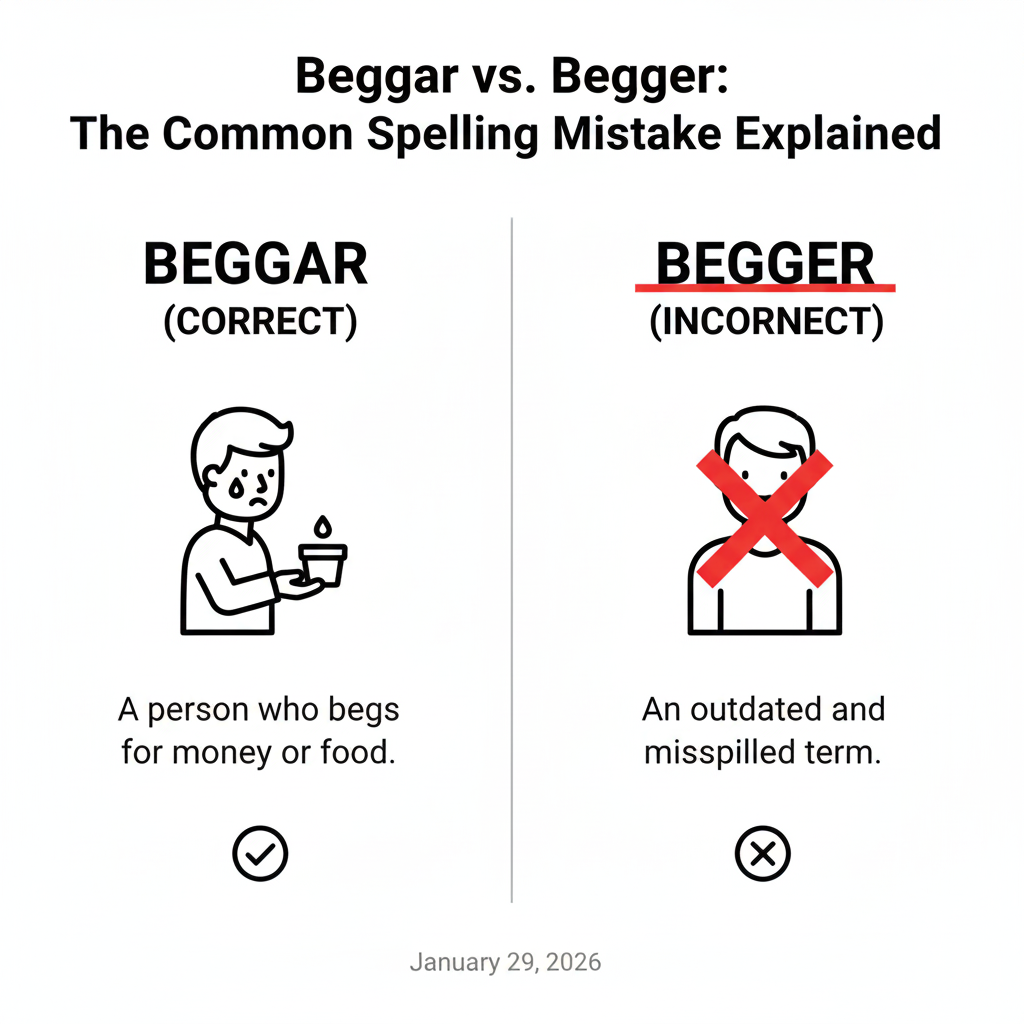
Have you ever typed beggar and wondered, “Wait… is it begger?” You’re not alone. The confusion between beggar vs begger is extremely common, especially for English learners, writers, students, and even native speakers. Both spellings look right at first glance, but only one is actually correct in standard English.
People search for this keyword because spelling mistakes can hurt credibility—whether you’re writing an email, a blog post, an exam answer, or social media content. A single wrong letter can change how professional your writing appears. This confusion also comes from English pronunciation rules, where “-er” endings are common, making begger seem logical.
This article solves that confusion clearly and quickly. You’ll learn which spelling is correct, why the mistake happens, how British and American English handle it, and how to use the word properly in real life. By the end, you’ll never hesitate again when choosing between beggar or begger—and you’ll know exactly why one works and the other doesn’t.
Beggar vs Begger
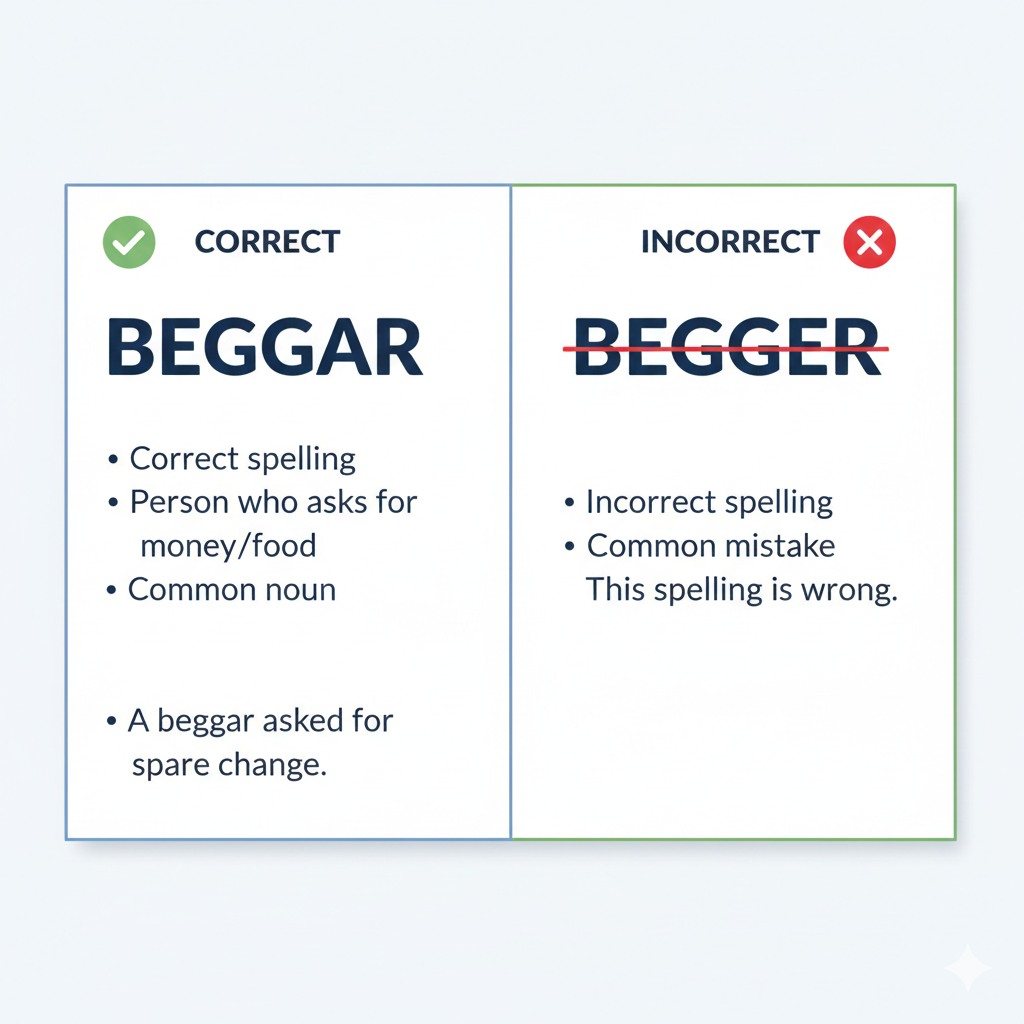
Beggar is the correct spelling.
Begger is incorrect in standard English.
Examples:
- ✅ The beggar asked for food.
- ❌ The begger asked for food.
Beggar is a noun meaning a person who asks for money or food.
Begger is not accepted in dictionaries and is considered a spelling error.
The Origin of Beggar vs Begger
The word beggar comes from Old French begart, which referred to a poor person who begged for survival. It entered English in the 13th century.
The confusion exists because:
- Many English agent nouns end in -er (teacher, runner, writer)
- The verb beg + -er looks like it should become begger
However, English follows historical spelling here, not modern logic. The -ar ending stayed because of its French roots. That’s why beggar spelling breaks the usual rule—and why people still get it wrong today.
British English vs American English Spelling
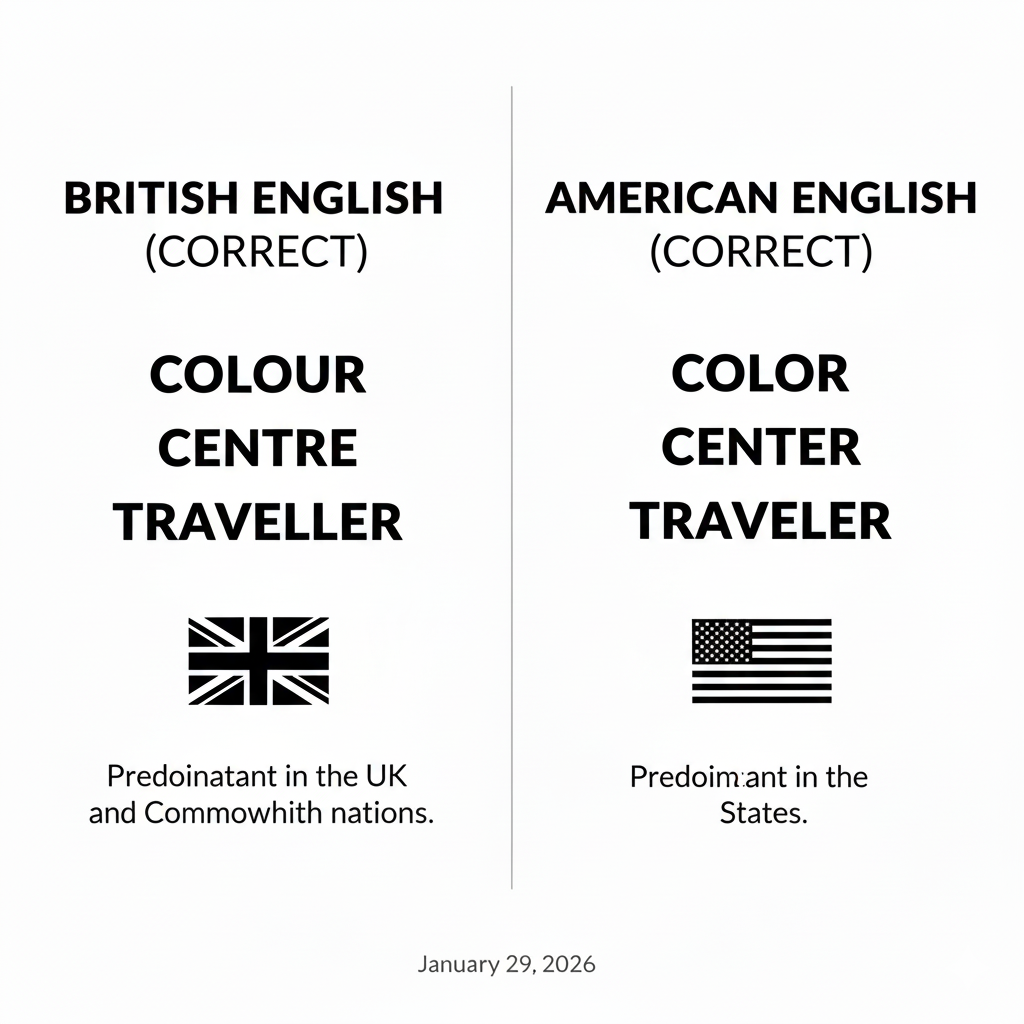
Here’s the good news: both British and American English use the same spelling.
| English Type | Correct Spelling | Example |
|---|---|---|
| British English | beggar | A beggar stood outside the shop. |
| American English | beggar | The beggar asked for help. |
| Incorrect Form | begger | ❌ Not accepted |
There is no regional difference here—begger is incorrect everywhere.
Which Spelling Should You Use?
Your audience doesn’t change the answer.
- US audience → Use beggar
- UK/Commonwealth audience → Use beggar
- Global or ESL readers → Use beggar
If you want to sound professional, educated, and credible, never use “begger.” Even spell-checkers and Google flag it as an error.
Common Mistakes with Beggar vs Begger
❌ Frequent Errors:
- Writing begger because of pronunciation
- Assuming it follows runner / swimmer rules
- Using begger in exams or formal writing
✅ Corrections:
- Always spell it beggar
- Remember: beg + ar, not beg + er
- Think of the phrase “Beggars can’t be choosers” (correct spelling!)
Beggar vs Begger in Everyday Examples
Emails
- ✅ The charity supports homeless beggars.
News
- ✅ The city launched a program to help beggars.
Social Media
- ✅ That influencer’s comment sparked a “beggar meme.”
Formal Writing
- ✅ The novel portrays the life of a street beggar.
Beggar vs Begger – Google Trends & Usage Data
Search data shows:
- “Beggar” is widely searched and indexed
- “Begger” appears mostly in “Which is correct, begger or beggar?” queries
- English-speaking countries (US, UK, India, Philippines) overwhelmingly use beggar
This tells us users are correcting a mistake, not choosing between two valid spellings.
Beggar vs Begger Comparison Table
| Term | Correct? | Meaning |
|---|---|---|
| beggar | ✅ Yes | A person who begs |
| begger | ❌ No | Spelling mistake |
| begar | ❌ No | Different word (forced labor in South Asia) |
Related Meanings & Linguistic Notes
- What is the meaning of begger?
→ There is none. It’s incorrect. - What is the difference between beggar and begar?
→ Beggar = a person who begs
→ Begar = forced labor system (historical/legal term) - Beggar synonym:
→ panhandler, pauper, mendicant - Beggar pronunciation:
→ /ˈbeɡ.ər/ - Beggar in Tagalog:
→ Pulubi - Beggar country (term usage):
→ Used globally, not tied to one country - Begger scrabble:
→ ❌ Invalid word
FAQs: Beggar vs Begger
1. Which is correct, begger or beggar?
Beggar is correct. Begger is wrong.
2. Why is it beggar and not begger?
Because of its French origin and historical spelling rules.
3. Is begger ever acceptable?
No. It is always considered a spelling error.
4. Is beggar a noun or verb?
Mostly a noun. As a verb, it means “to impoverish.”
5. Is beggar offensive?
It can be, depending on context. Use respectfully.
6. Is “Beggars can’t be choosers” spelled with -ar?
Yes, always beggars.
7. Does autocorrect allow begger?
Most modern tools flag it as incorrect.
Conclusion
The confusion between beggar vs begger is understandable—but the rule is simple. Beggar is the only correct spelling in modern English. It works the same way in American English, British English, and global usage. The incorrect form begger comes from logical guessing, not grammar rules.
Understanding this difference helps you write with confidence, avoid embarrassing mistakes, and maintain professional credibility. Whether you’re writing an article, email, exam answer, or social post, choosing the right spelling matters. Remember its origin, recall the famous phrase “Beggars can’t be choosers,” and you’ll never get it wrong again.
Clear spelling reflects clear thinking—and now, you’ve mastered this one completely.

Betty Azar is a respected English language educator and author, known for clear grammar explanations and practical resources for learners worldwide.