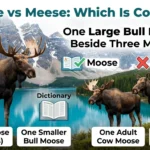
Moose vs Meese: Which One Is Correct?
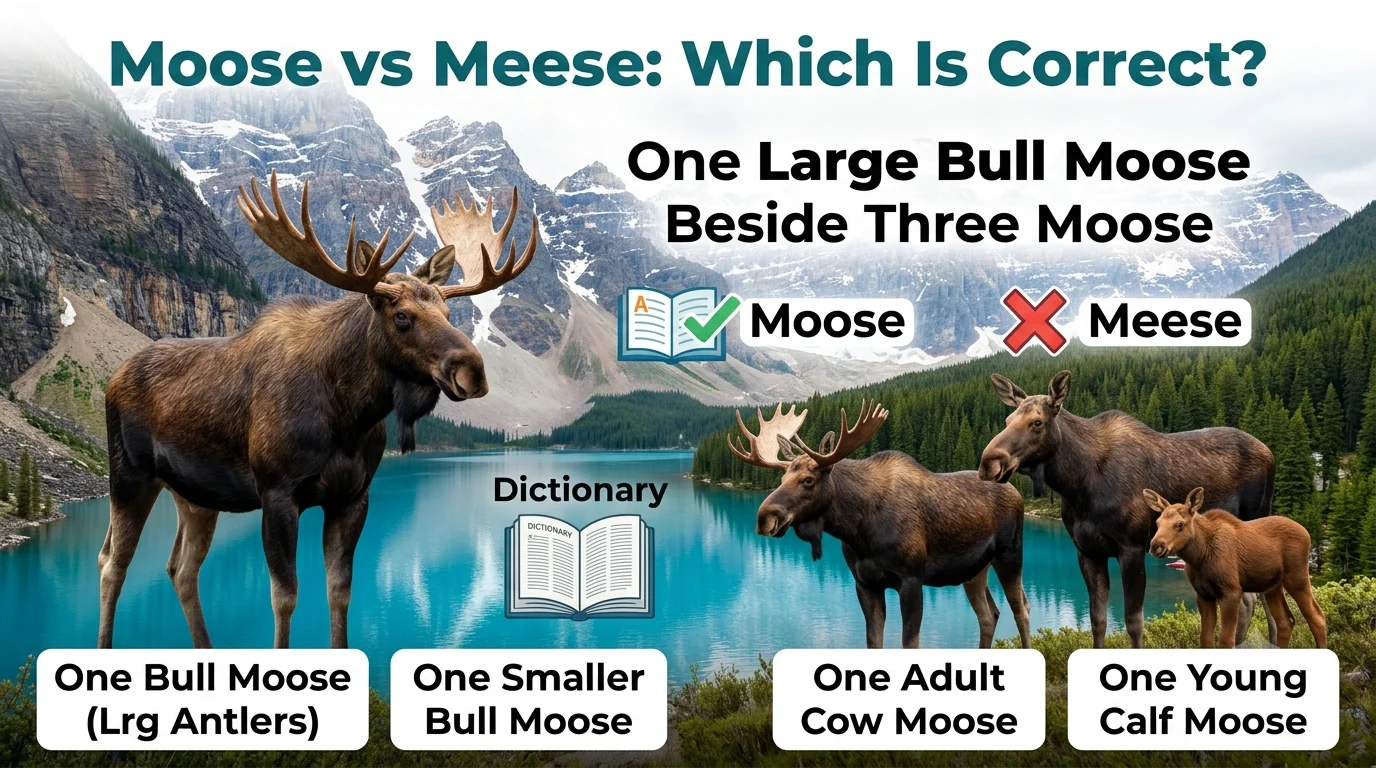
Have you ever stopped and wondered, “Is it meese or moose?” If so, you’re not alone. Thousands of people search ...
Read more
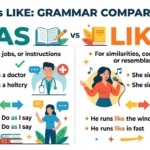
As vs Like: The Hidden Rule Most People Miss
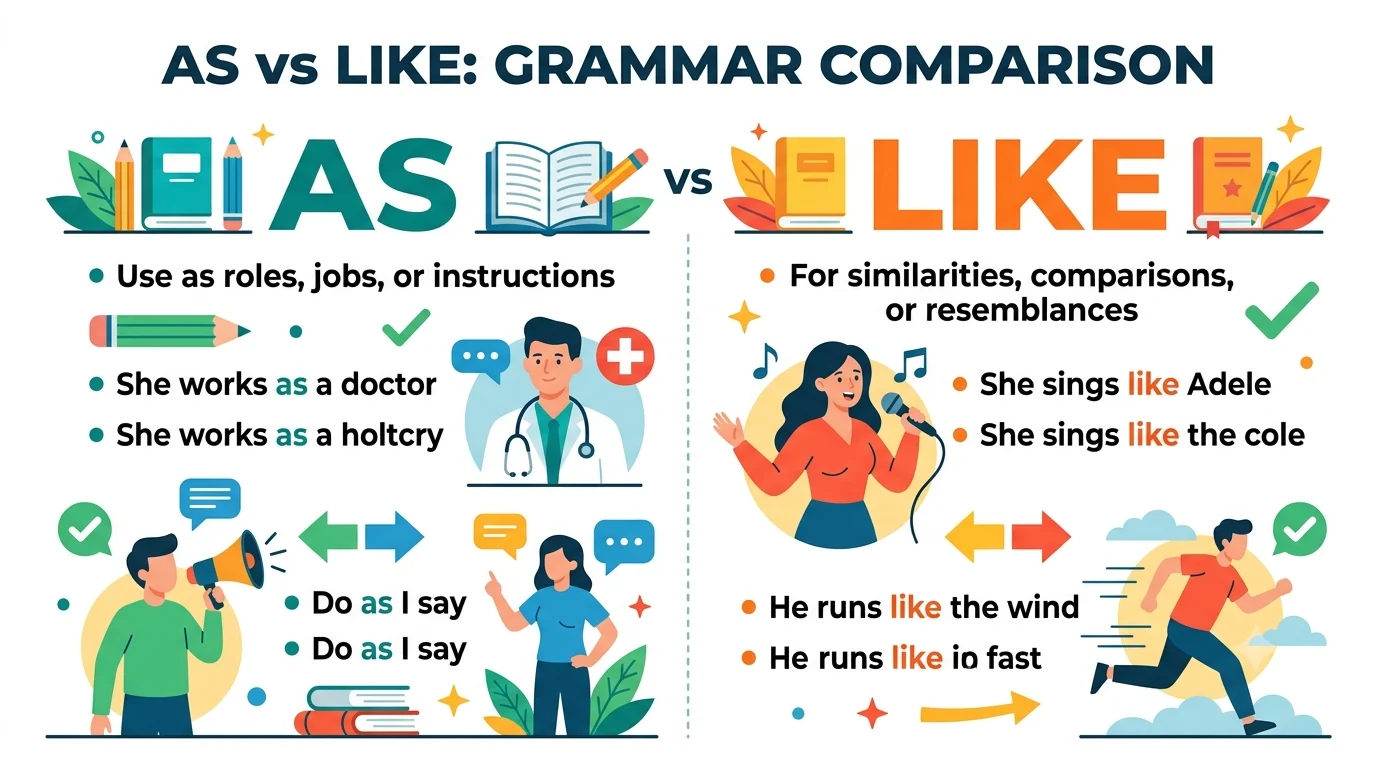
Have you ever paused while writing and wondered whether to use as or like? You’re not alone. Many English learners, ...
Read more
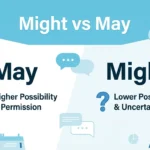
Might vs May: Which Word Is Correct?
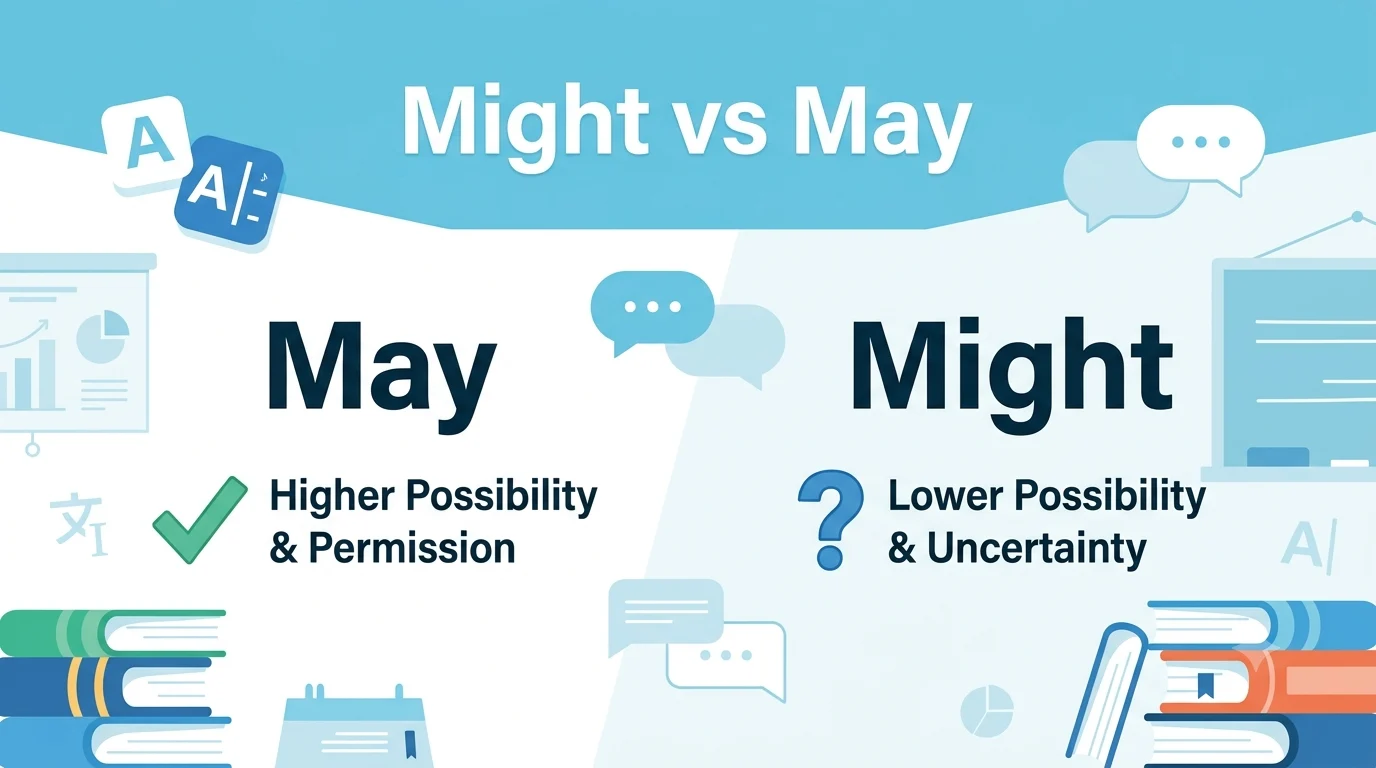
Should you use might or may? These two English modal verbs look similar, but choosing the wrong one can change ...
Read more
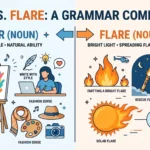
Flair vs Flare: Which One Should You Use?
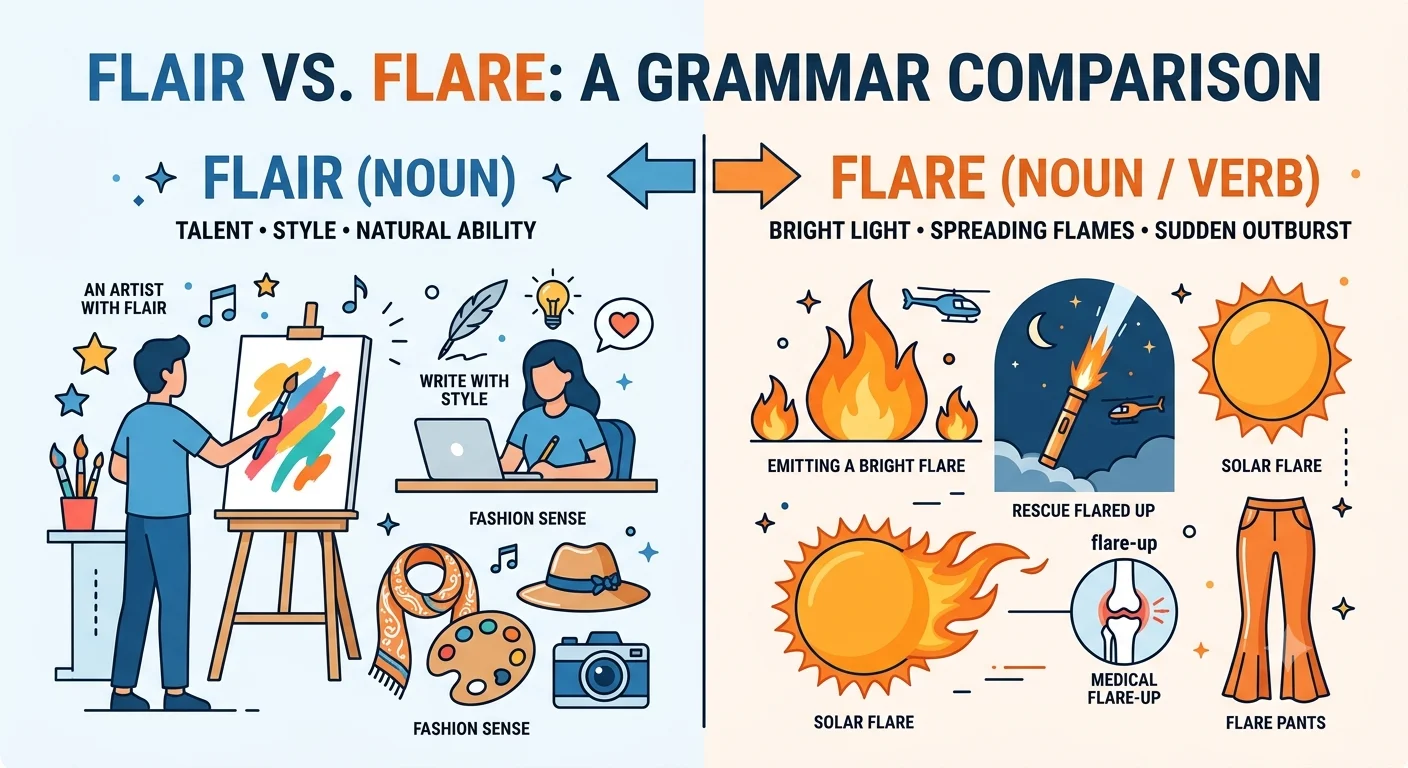
Have you ever stopped while writing and wondered whether the correct word is flair or flare? You’re not alone. These ...
Read more
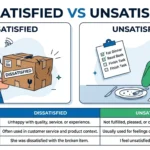
Dissatisfied vs Unsatisfied: The Hidden Meaning Revealed
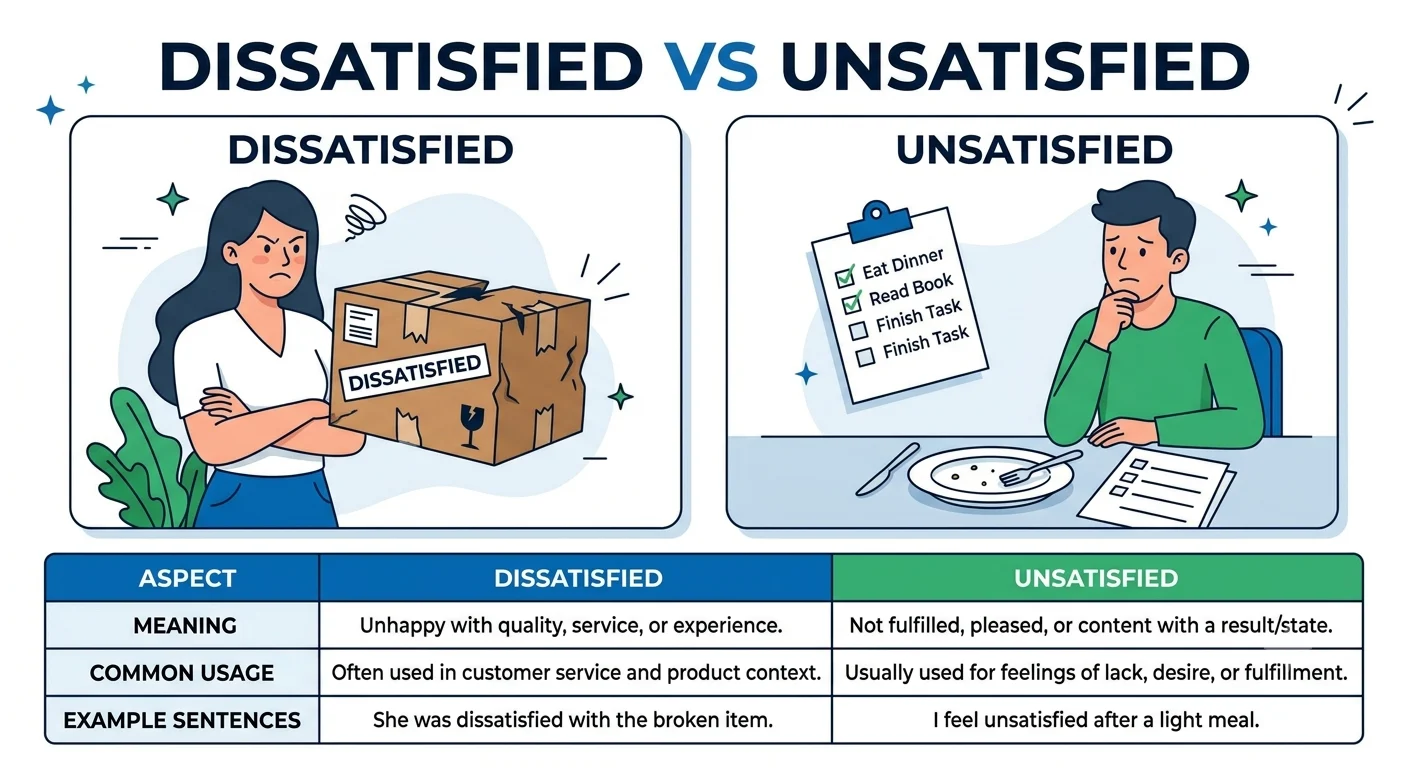
Have you ever paused while writing and wondered, “Do you say unsatisfied or dissatisfied?” You’re not alone. These two English ...
Read more
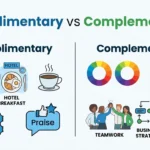
Complimentary vs Complementary: A Simple Grammar Guide
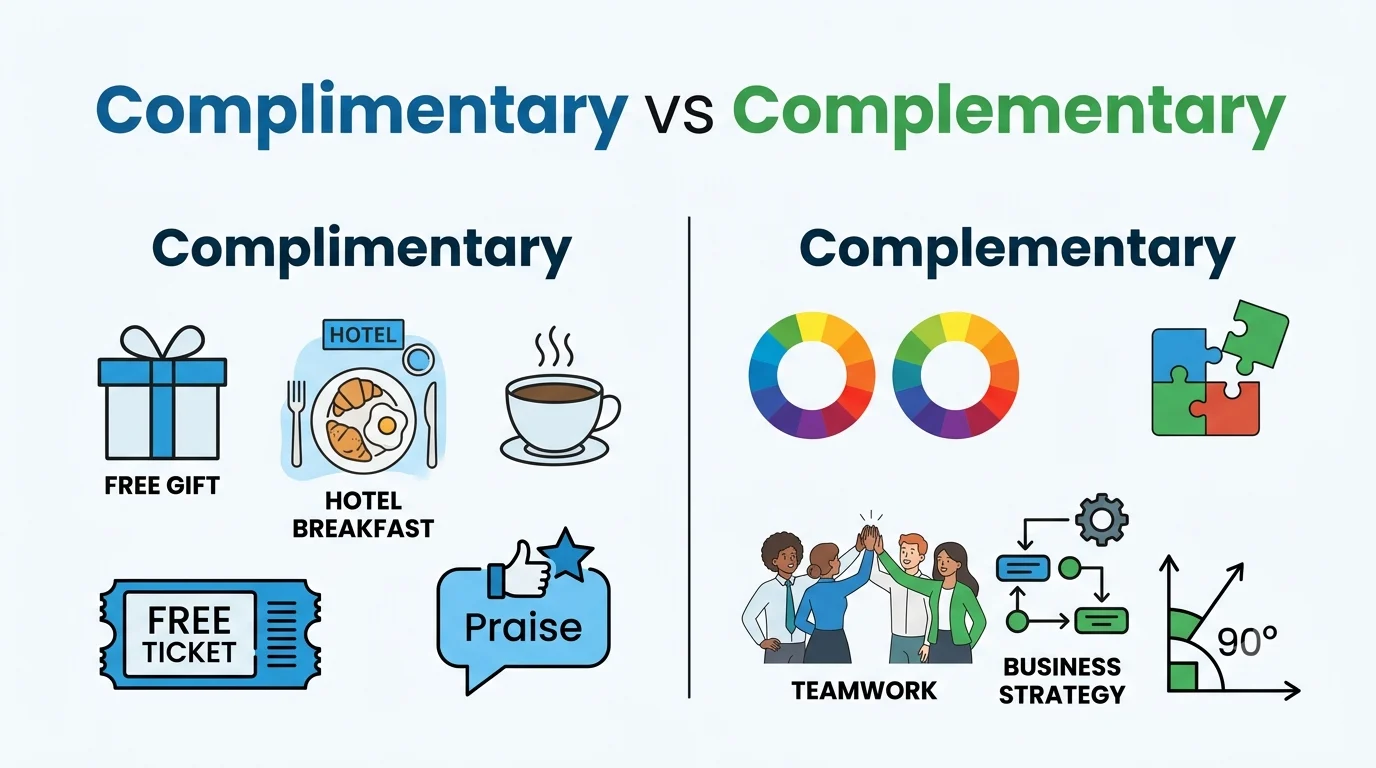
Have you ever stopped while writing an email or social media post because you weren’t sure whether to use complimentary ...
Read more
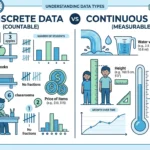
Discrete vs Continuous: Easy Differences Explained
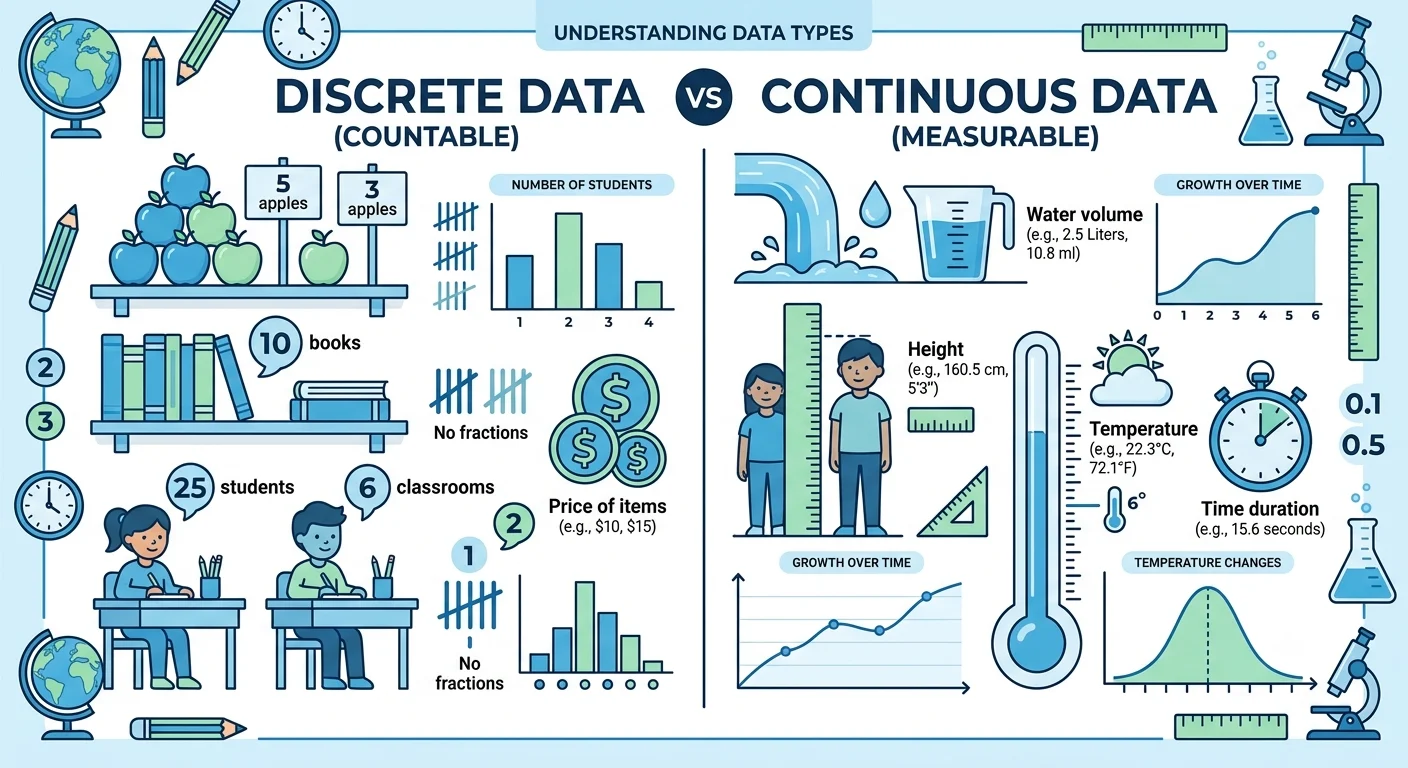
Have you ever wondered whether something should be called discrete or continuous? This is one of the most common questions ...
Read more
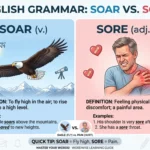
Soar vs Sore: Stop Making This Common Mistake
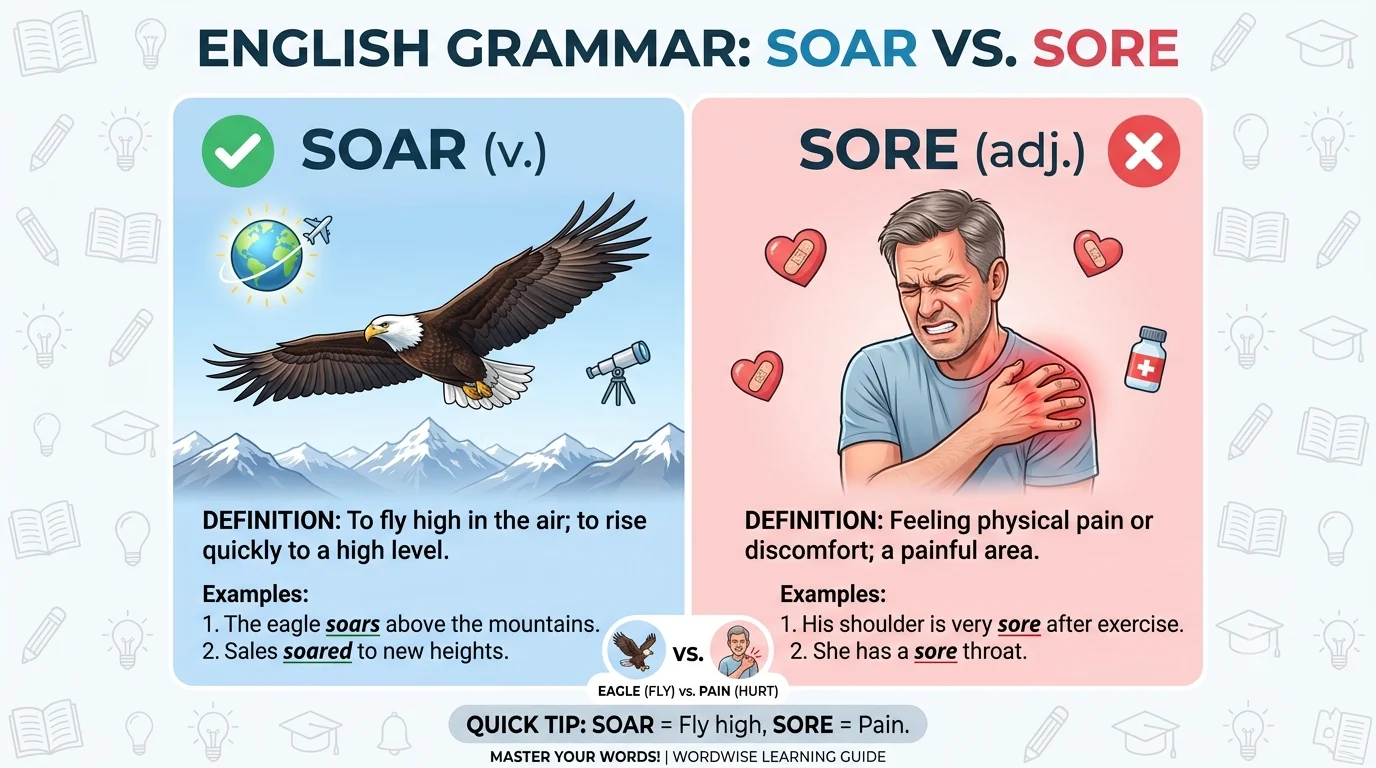
Have you ever wondered about the difference between soar vs sore? These two words sound almost exactly the same, but ...
Read more
Cello vs Chello: Which One Should You Use?
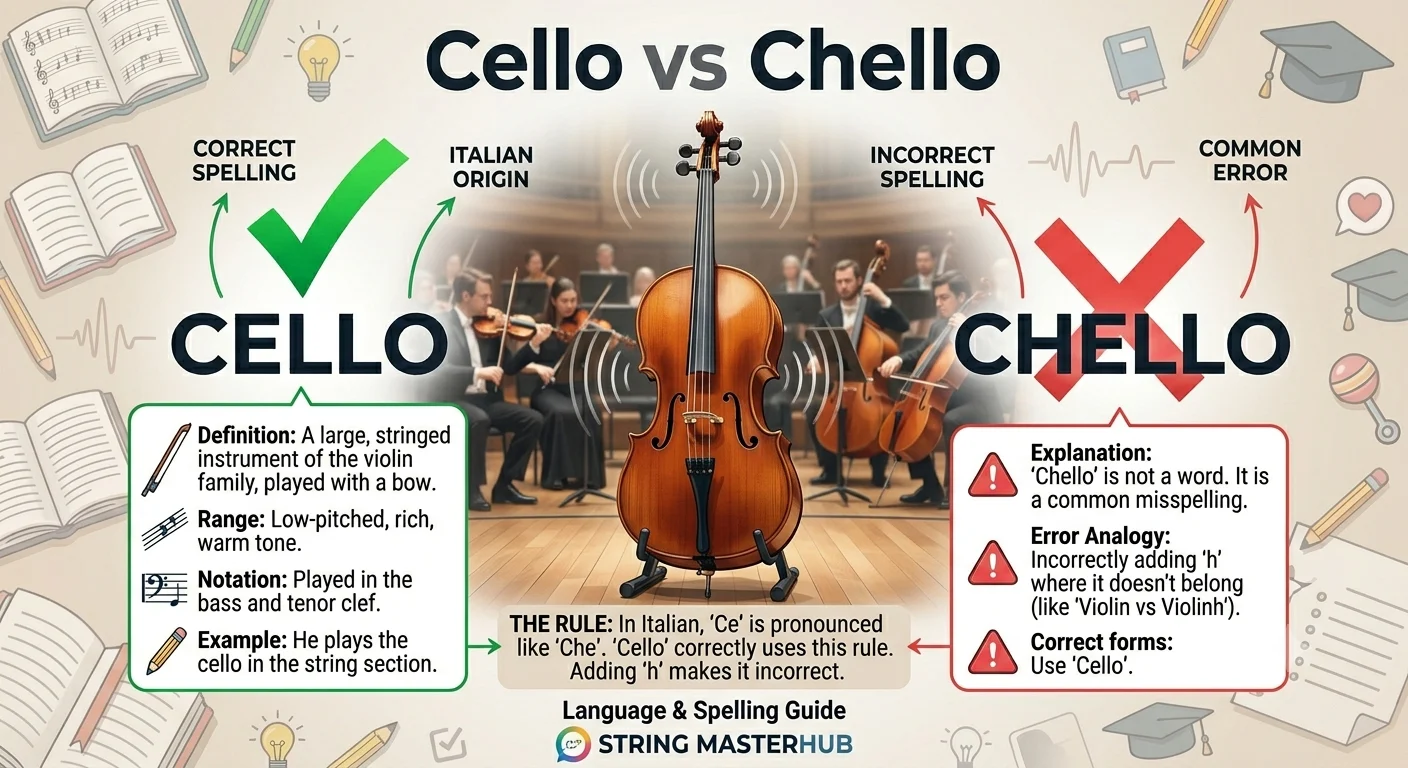
Have you ever heard someone say “chello” and wondered whether it should actually be spelled cello? If so, you’re not ...
Read more
Awe vs Aww – Commonly Confused Words Explained ✅
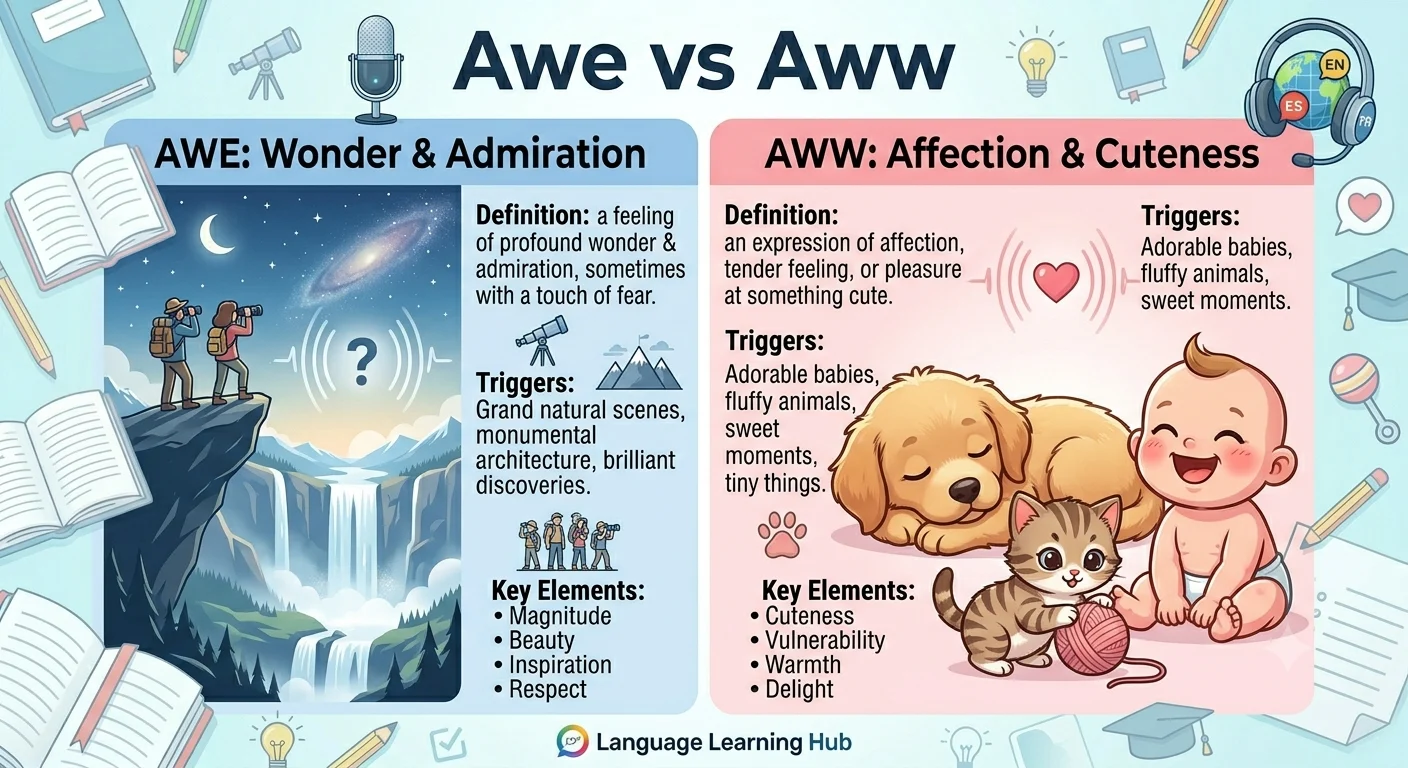
Have you ever seen an adorable puppy, a cute baby photo, or a sweet message online and wondered whether to ...
Read more