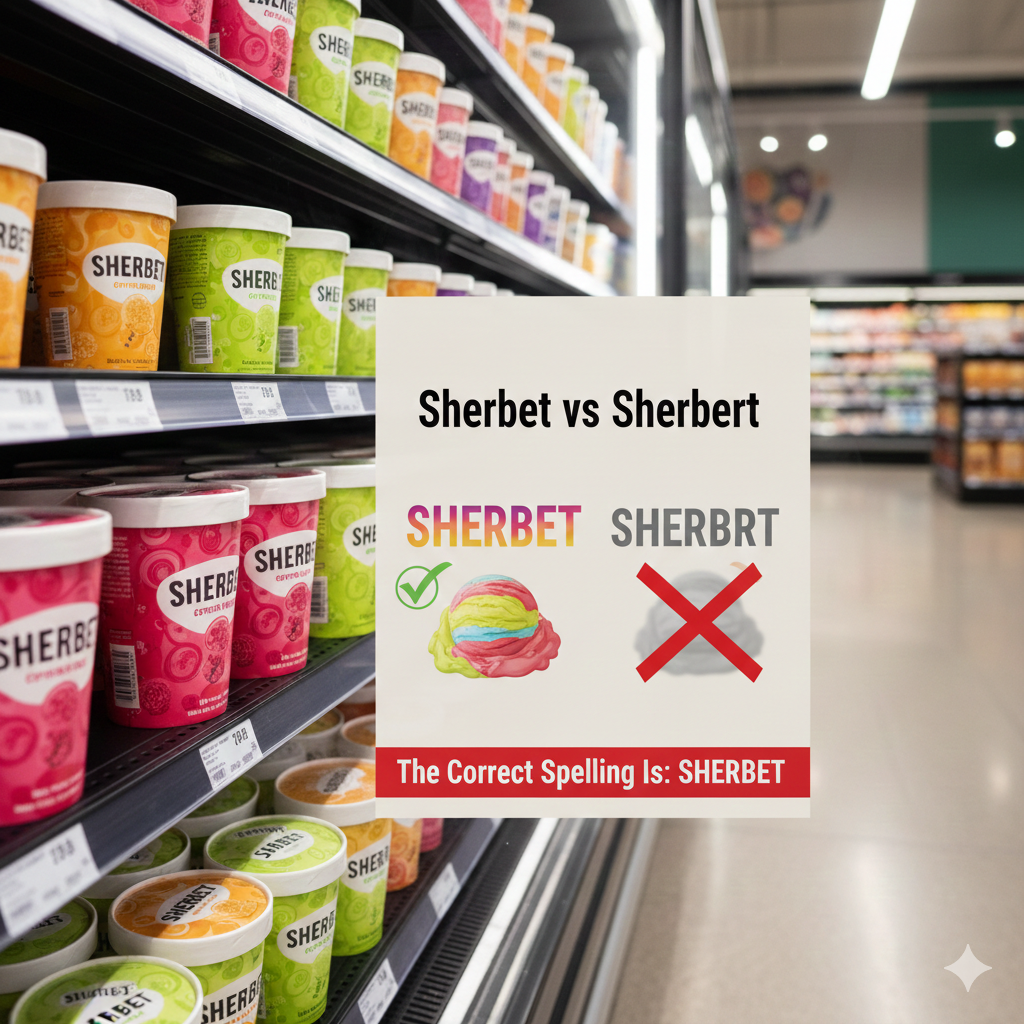
Have you ever stood in the frozen dessert aisle wondering: Is it sherbet or sherbert? You’re not alone. The keyword sherbet vs sherbert is searched thousands of times every month because people hear both words used—often for the same dessert—and assume both spellings are correct. Add to that confusion around sorbet, sharbat, and even ice cream, and things get messy fast.
The main problem? Pronunciation habits, especially in American English. Many Americans say “sher-bert,” so they assume it must be spelled sherbert. Dictionaries, food labels, and grammar guides don’t always help either, because usage and tradition clash. People also ask questions like Why do Americans call sorbet sherbet? or What’s the difference between sherbet and sharbat?
This article clears all that up. You’ll get a quick answer, clear history, spelling rules, real-world examples, and practical advice on which spelling to use. Simple language. No fluff. Just clarity 🍧
Sherbet vs Sherbert
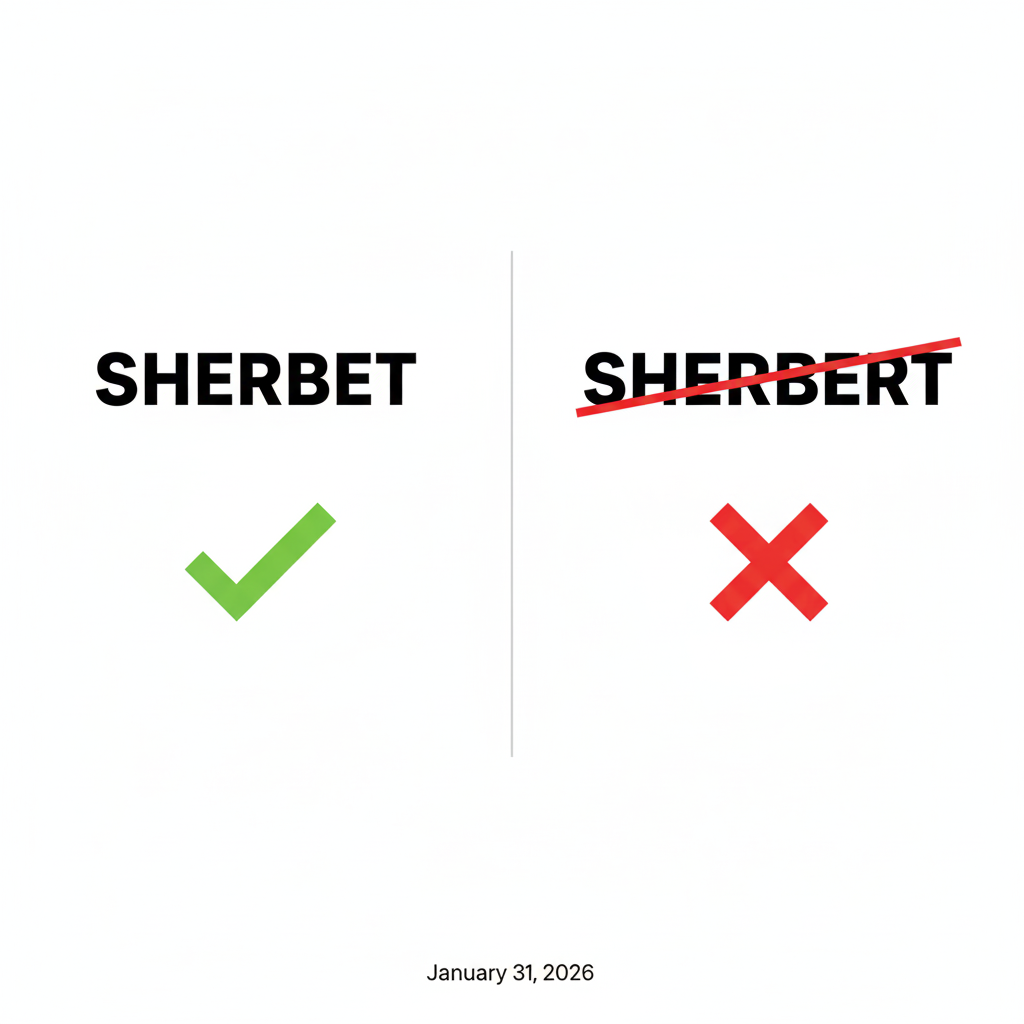
Sherbet is the correct spelling.
Sherbert is a common mispronunciation, mainly in American English.
Examples:
- ✅ I bought orange sherbet for dessert.
- ❌ I bought orange sherbert for dessert.
Even though many people pronounce sherbet as “sher-bert,” standard English dictionaries only accept sherbet.
The Origin of Sherbet vs Sherbert
The word sherbet comes from the Turkish word şerbet, which itself comes from the Arabic sharba, meaning “to drink.” Historically, sherbet was a sweet drink, not a frozen dessert.
Over time:
- The word traveled to Europe
- Then to Britain
- Then to America
In the U.S., sherbet became a frozen dairy dessert, slightly creamy, but lighter than ice cream.
So why did sherbert appear?
👉 Because of pronunciation drift. People added an extra R sound when speaking, even though it was never part of the word.
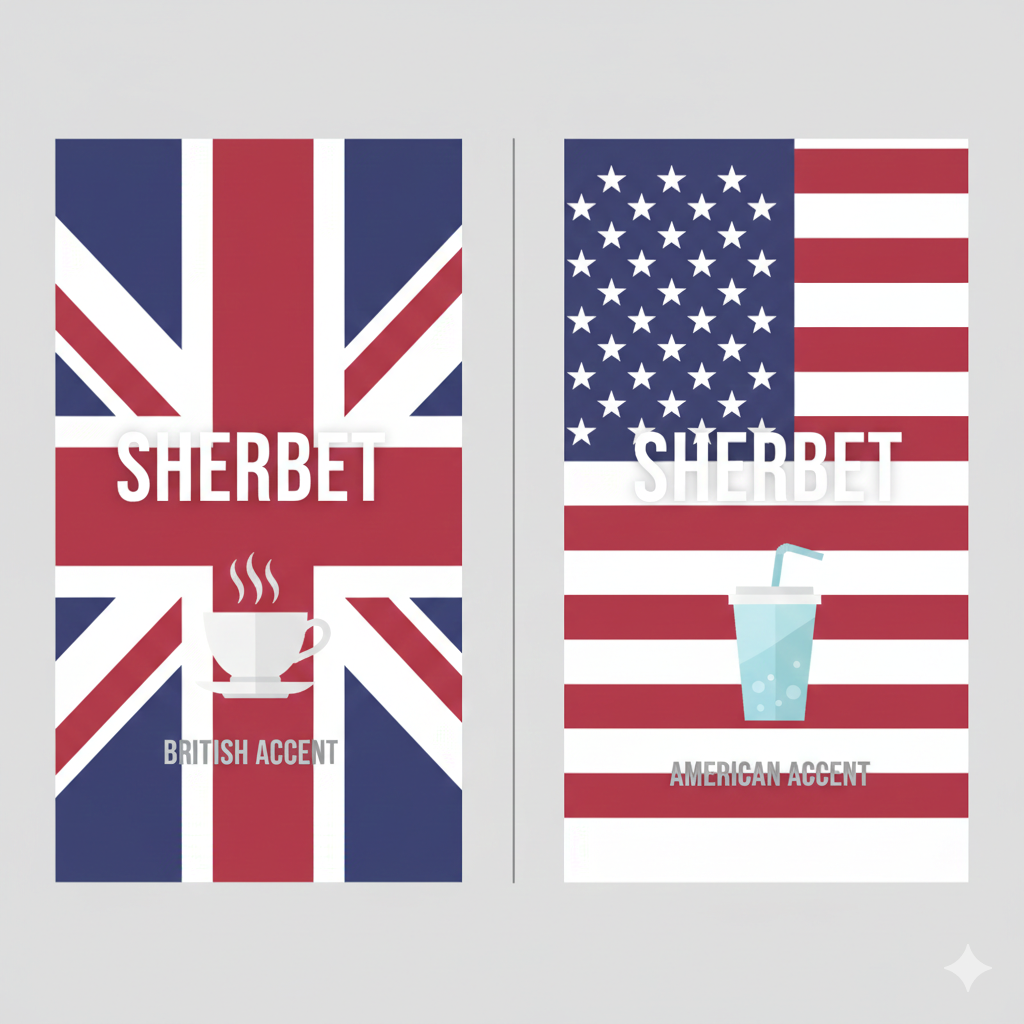
British English vs American English Spelling
Both British English and American English agree on the spelling.
✔ Sherbet = correct
✖ Sherbert = incorrect (but common in speech)
Comparison Table
| Feature | Sherbet | Sherbert |
|---|---|---|
| Dictionary accepted | ✅ Yes | ❌ No |
| Used in writing | ✅ Yes | ❌ No |
| Spoken in the U.S. | ✅ Yes | ⚠️ Often mispronounced |
| British English | ✅ Standard | ❌ Not used |
Beggar vs Begger: The Common Spelling Mistake Explained
Which Spelling Should You Use?
Use “sherbet” everywhere.
- US audience → Sherbet (even if pronounced “sher-bert”)
- UK & Commonwealth → Sherbet
- Global / SEO writing → Sherbet only
If you’re writing for:
- Blogs
- Food packaging
- Academic work
- News articles
👉 Never use “sherbert” in formal writing.
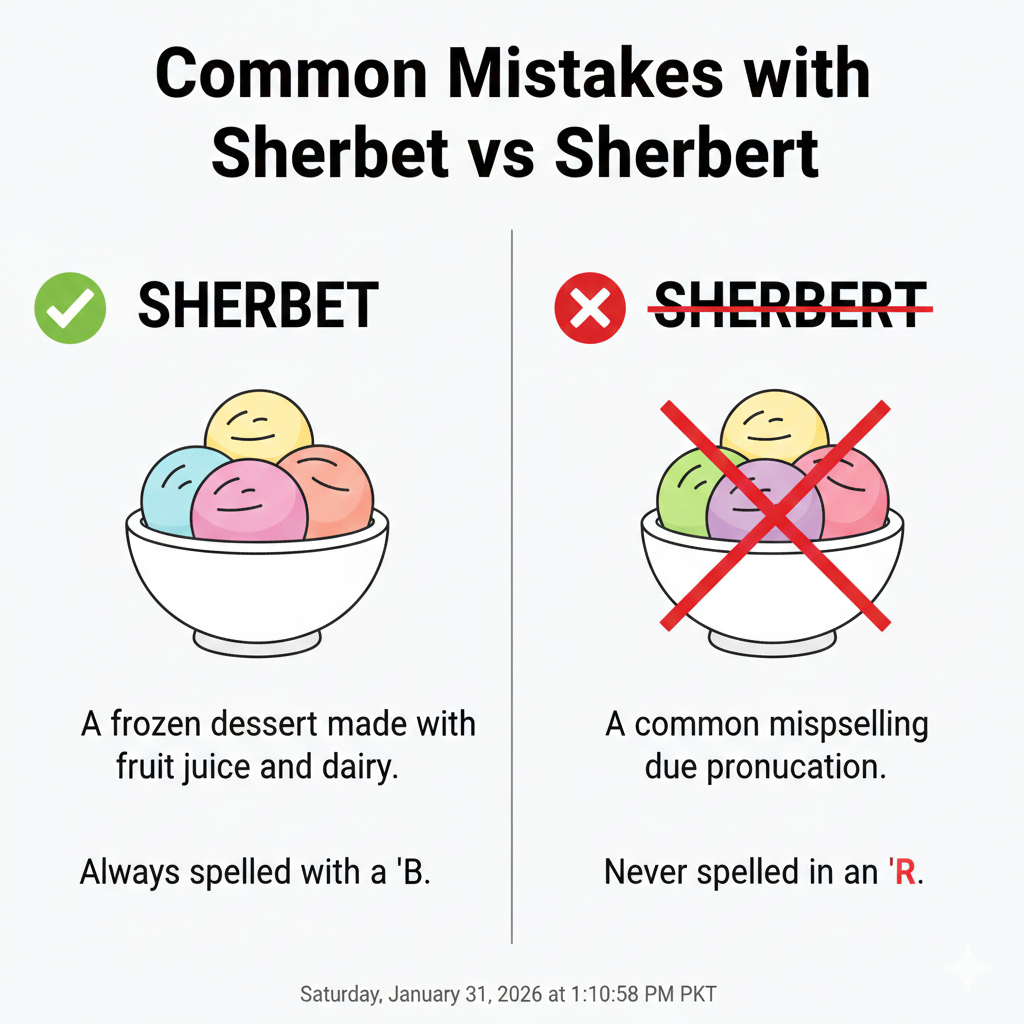
Common Mistakes with Sherbet vs Sherbert
Here are the most frequent errors:
❌ Writing sherbert because of pronunciation
✅ Write sherbet
❌ Mixing sherbet with sorbet
✅ Sherbet has dairy, sorbet does not
❌ Confusing sherbet with sharbat
✅ Sharbat is a drink, not frozen
Sherbet vs Sherbert in Everyday Examples
Email:
“Please bring lemon sherbet for the party.”
News:
“The brand recalled its strawberry sherbet due to labeling issues.”
Social Media:
“Nothing beats mango sherbet on a hot day 😍”
Formal Writing:
“Sherbet contains a small amount of milk or cream.”
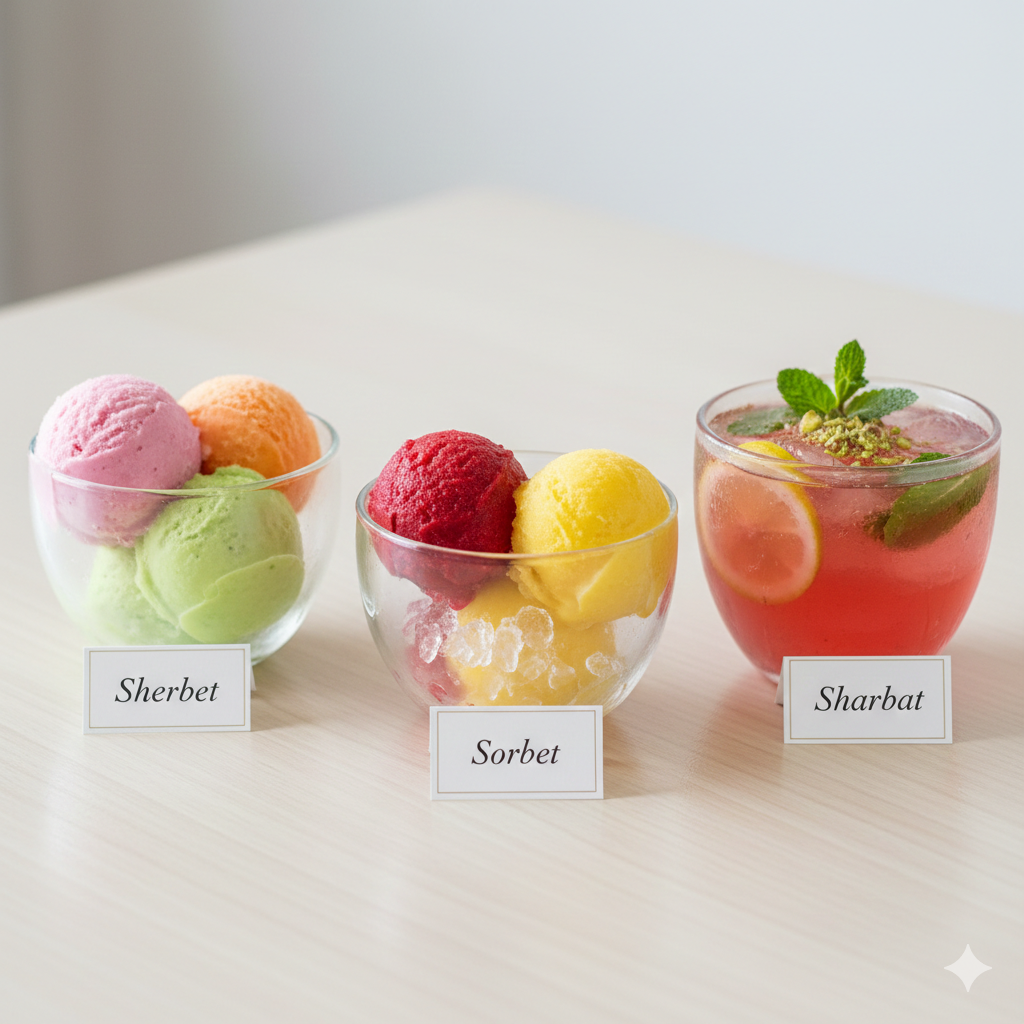
Sherbet vs Sorbet vs Sharbat
| Item | Contains Dairy | Frozen | Origin |
|---|---|---|---|
| Sherbet | ✅ Yes | ✅ Yes | Turkish/Arabic |
| Sorbet | ❌ No | ✅ Yes | French |
| Sharbat | ❌ No | ❌ No | Arabic drink |
This explains:
- Why do Americans call sorbet sherbet? → Habit and overlap in usage
- What’s the difference between sherbet and sharbat? → One is frozen, one is a drink
Usable vs Useable: Which One Is Actually Correct?
Sherbet vs Ice Cream
- Ice cream → High fat, heavy cream
- Sherbet → Light dairy, fruity, refreshing
Sherbet sits between ice cream and sorbet.
Sherbet vs Sherbert – Google Trends & Usage Data
Search data shows:
- “Sherbet” dominates written searches worldwide
- “Sherbert pronunciation” spikes in the U.S.
- Reddit threads often debate sherbet vs sherbert pronunciation
This confirms:
- The confusion is spoken, not written
- Google favors sherbet for SEO and authority
Pronunciation Facts
- Correct pronunciation (US): SHER-bit
- Common American pronunciation: SHER-bert
- French pronunciation: sher-BEH (soft ending)
This answers:
- Why do we pronounce sherbet sherbert?
- Sherbet pronunciation American
- How to pronounce sherbet in French
FAQs – Sherbet vs Sherbert
1. Is sherbert ever correct?
No. It’s never correct in standard English.
2. Why do Americans say sherbert?
Because of speech habits and added “R” sounds.
3. Is sherbet the same as sorbet?
No. Sherbet has dairy; sorbet does not.
4. What is sherbet powder?
A flavored drink mix or candy powder, not frozen dessert.
5. Is sherbet British or American?
The word is used in both, but the dessert style is American.
6. Does Google accept sherbert?
No. Google ranks sherbet as the correct form.
7. Can I use sherbert in casual writing?
Better not. Use sherbet everywhere.
Conclusion
The sherbet vs sherbert debate is simple once you separate spelling from speech. Sherbet is the only correct spelling in English. Sherbert exists because of pronunciation habits, especially in the United States, but it has no dictionary support. Whether you’re writing for SEO, food blogs, academic work, or everyday communication, sherbet is always the right choice.
Understanding the word’s origin—from Arabic sharbat to Turkish şerbet—also explains why spelling never included an extra “R.” Add clarity around related terms like sorbet, sharbat, and ice cream, and the confusion disappears completely.
If you want accuracy, authority, and better Google rankings, stick with sherbet. Say it how you like—but spell it right 🍨

Scott Thornbury is a respected English language educator and author, known for practical grammar insights, teacher training, and clear learner-focused explanations.