Many people search: “dilemma vs dilemna.” The confusion is common. When we pronounce the word, it sometimes sounds like “di-lem-na.” That makes people think the spelling includes an “n.”
But does it?
Students, bloggers, professionals, and even academic writers often ask:
- Which is correct, dilemma or dilemna?
- Was dilemma ever spelled dilemna?
- Dilemna spelling Oxford dictionary
- Dilemma UK spelling
- When did dilemna become dilemma?
- What is a conundrum vs dilemma vs quandary?
This guide provides a clear answer, explains the word’s origin, compares UK and US spelling rules, examines usage data, and offers professional writing advice.
Dilemma vs Dilemna
The correct spelling is:
Dilemma
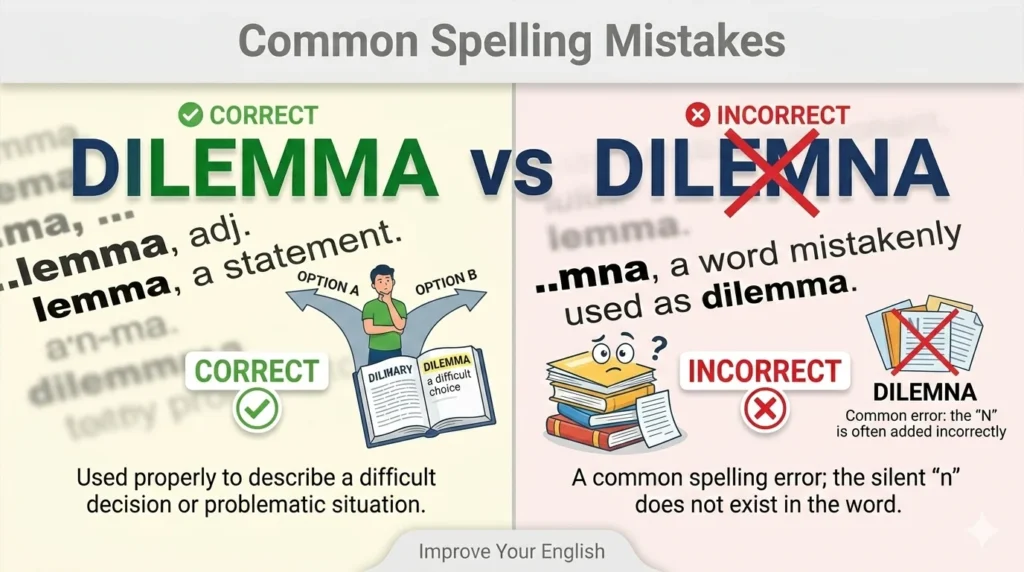
The spelling “dilemna” is incorrect.
Correct:
She faced a difficult dilemma.
Incorrect:
She faced a difficult dilemna.
There is no accepted dictionary that recognizes “dilemna” as standard English.
According to the Oxford English Dictionary and Merriam-Webster, the only correct spelling is dilemma.
The Origin of Dilemma
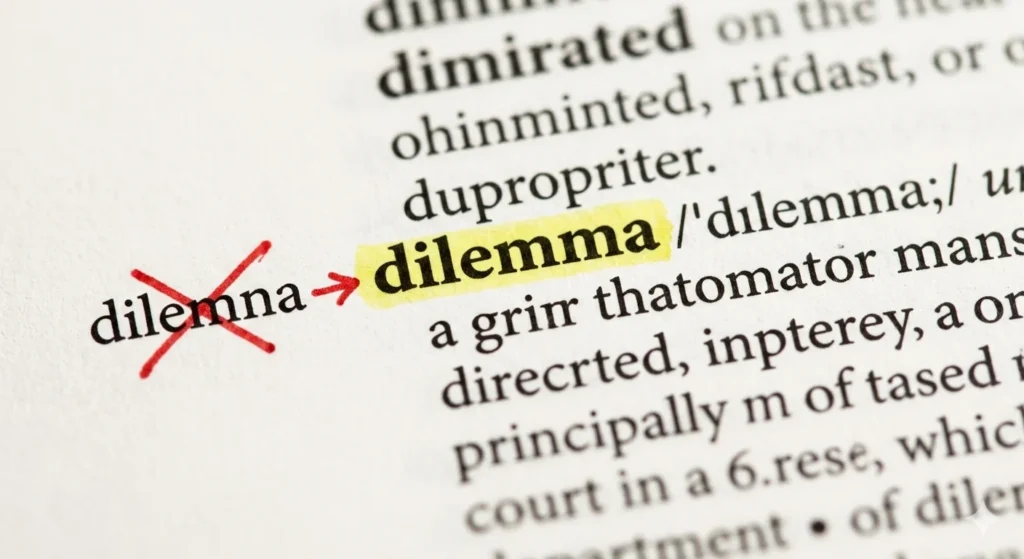
The word comes from ancient Greek:
- di- meaning “two”
- lemma meaning “assumption” or “premise”
The original Greek word was dilēmma. It entered Latin and then English in the 16th century.
Why the Double “M”?
The second part of the word is lemma, which contains a double “m.” English preserved this classical spelling. Many Greek-derived academic words follow similar patterns.
There has never been an official spelling with “mn.”
Was dilemma ever spelled dilemna?
No historical dictionary records “dilemna” as standard spelling. It appears only as a misspelling in later usage.
Why Do People Spell It “Dilemna”?
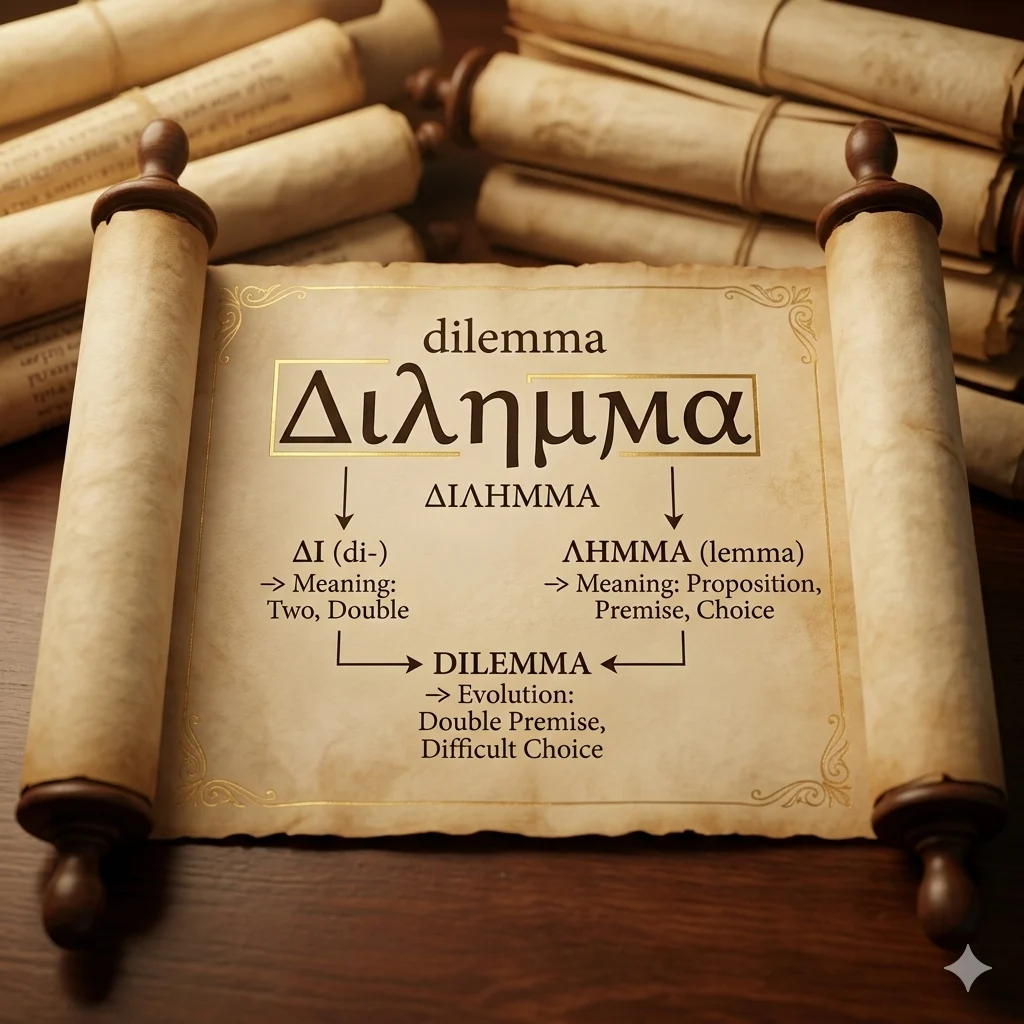
There are linguistic reasons behind this mistake.
1. Pronunciation Confusion
When spoken quickly, “dilemma” may sound like “dilemna.” The brain inserts an “n” because it expects that pattern.
2. Silent Letter Influence
English contains words with silent “mn” combinations:
- hymn
- solemn
- column
Because of these examples, writers assume “dilemna” may follow the same pattern.
However, dilemma does not contain an “mn” cluster.
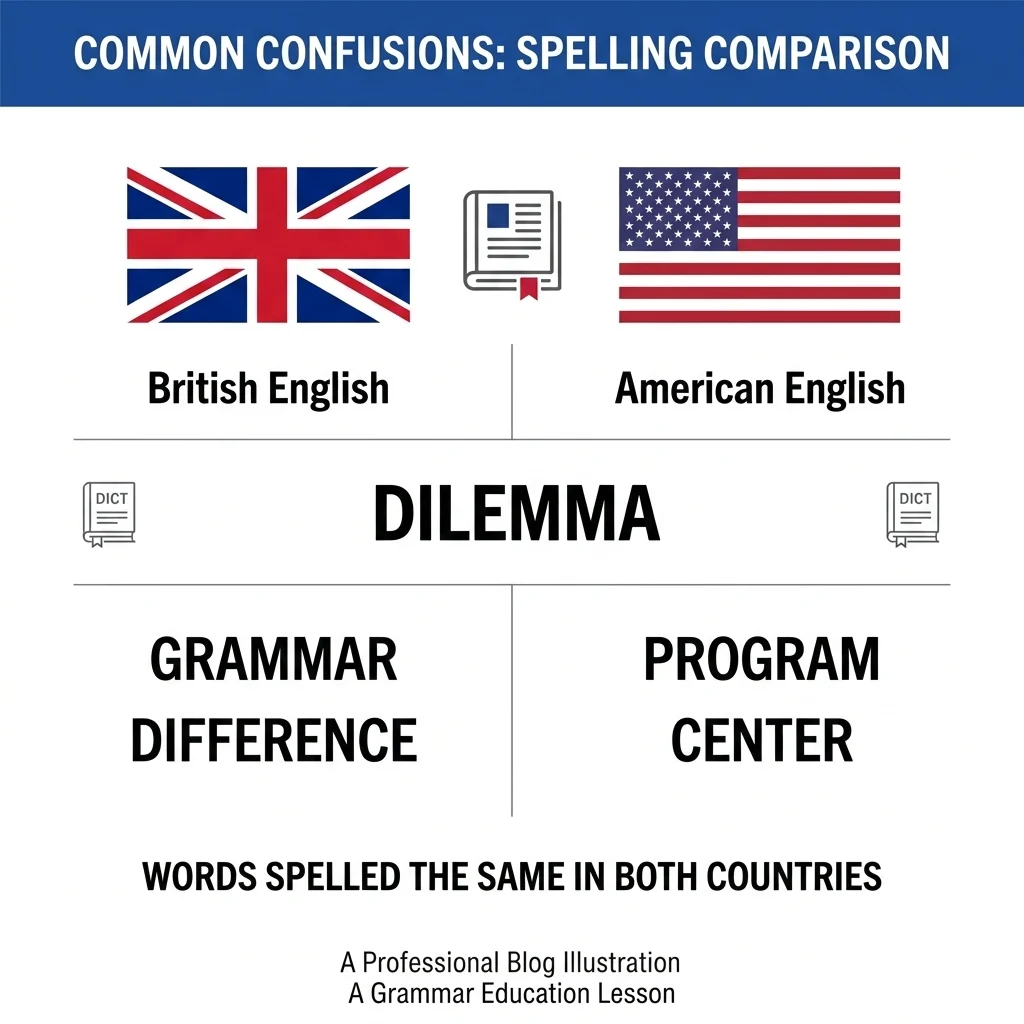
British English vs American English Spelling
Many English words differ between UK and US spelling:
| British | American |
|---|---|
| colour | color |
| organise | organize |
| defence | defense |
But in the case of dilemma, there is no difference.
| Spelling | UK | US | Correct? |
|---|---|---|---|
| dilemma | ✔ | ✔ | ✔ |
| dilemna | ✘ | ✘ | ✘ |
Both British and American English use dilemma.
Which Spelling Should You Use?
You should always use:
Dilemma
This applies to:
- Academic writing
- Business emails
- Legal documents
- Blog posts
- SEO articles
- PDFs and research papers
Using “dilemna” may reduce credibility and appear as a spelling error in professional contexts.
Common Mistakes with Dilemma
Many searches include:
- Dilemma vs dilemna grammar
- Dilemma vs dilemna reddit
- Dilemma vs dilemna examples
Here are common errors:
1. Adding an Unnecessary “N”
Incorrect:
Moral dilemna
Correct:
Moral dilemma
2. Using “Dilemma” for Any Problem
A dilemma involves two difficult choices, not just a general problem.
Incorrect:
I have a dilemma about cleaning my room.
Better:
I have a dilemma: clean now or clean later.
Conundrum vs Dilemma vs Quandary
These words are related but not identical.
| Word | Meaning |
|---|---|
| Dilemma | Choice between two difficult options |
| Conundrum | A puzzling or tricky problem |
| Quandary | A state of uncertainty |
Example:
- She faced a dilemma about accepting the job.
- The riddle was a conundrum.
- He was in a quandary about what to say.
Dilemma vs Dilemna in Everyday Use
In Emails:
We are in a strategic dilemma.
In News:
The government faces an economic dilemma.
On Social Media:
Weekend dilemma: rest or study?
In Academic Writing:
This ethical dilemma raises important legal questions.
Reputable publications consistently use “dilemma.”
Dilemma vs Dilemna – Google Trends & Usage Data
Search data from 2004 to recent years shows:
- “Dilemma” maintains steady global search interest.
- “Dilemna” appears mostly in spelling-related queries.
Most searches for “dilemna” are correction-based, meaning users are verifying the correct spelling.
Countries with frequent searches include:
- United States
- United Kingdom
- India
- Pakistan
- Canada
Corpus analysis from published books shows consistent usage of “dilemma” for centuries, while “dilemna” appears rarely and is not standardized.
Comparison Table: Dilemma vs Dilemna
| Feature | Dilemma | Dilemna |
|---|---|---|
| Dictionary accepted | ✔ Yes | ✘ No |
| Historical usage | ✔ Since 1500s | ✘ No evidence |
| UK spelling | ✔ Same | ✘ Incorrect |
| US spelling | ✔ Same | ✘ Incorrect |
| Academic standard | ✔ Required | ✘ Error |
| Common misspelling | ✘ No | ✔ Yes |
FAQs
Which is correct, dilemma or dilemna?
Dilemma is correct.
Was dilemma ever spelled dilemna?
No.
When did dilemna become dilemma?
It never officially changed.
Dilemna spelling Oxford dictionary?
Oxford lists it as a misspelling.
Is dilemma UK spelling different?
No.
Why does dilemma have two “m” letters?
Because it comes from the Greek word “lemma.”
Conclusion
The confusion between dilemma vs dilemna is understandable but easy to resolve. The only correct spelling is dilemma.
The word originates from Greek and has always contained double “m.” There is no historical evidence supporting the spelling “dilemna.” Both British and American English use the same spelling.
Most spelling errors result from pronunciation habits and confusion with other English words that contain silent letters.
For academic, professional, and online writing, always use the correct form. Proper spelling strengthens clarity, credibility, and trust.